
Introducing The Cotswold Lakes
The Cotswold Lakes is a stunning wetland landscape covering an area of 42 square miles. Nationally important for wetland wildlife with thousands of waterbirds visiting each winter. It is a place whose reedbeds, woodlands and wetlands absorb and store carbon from human activities; a place where local people and visitors can enjoy this unique natural setting.
Some interesting facts…

Image: Dan Stubbins
Lots of Lakes
182 (at the last count), all created by gravel extraction over 100 years.
There are currently more than 180 lakes with over 1,200 hectares of open water and wetland. They have all been created by gravel extraction over the last 100 years and nearly 2 million tonnes of sand and gravel are dug out each year. These essential construction materials are used for building roads, houses and landscaping gardens.
When all the gravel has been dug out from a quarry, it usually fills with groundwater and makes a lake.
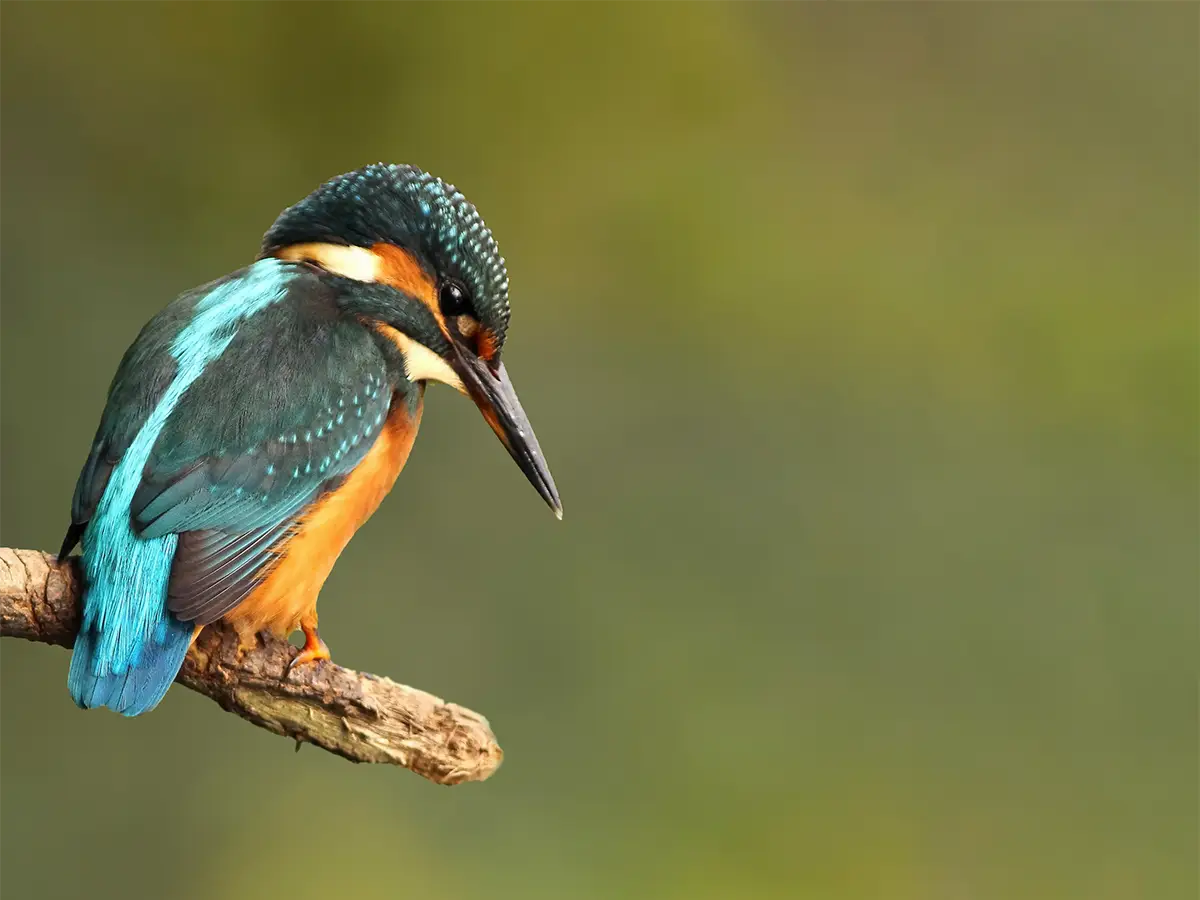
Image: Dave Soons
Wonderful Wetland Wildlife
Over 20,000 birds in winter and all sorts of rare and special wildlife live here.
The Cotswold Lakes has become one of the most biodiverse landscapes in the UK. It has it all; from warblers to Water Voles, Beavers to Bitterns and orchids to Otters.
Most of the lakes are now designated as a Site of Special Scientific Interest for their national importance for breeding birds, wintering birds and aquatic plants.
There are eight important grassland sites including North Meadow National Nature Reserve, famous for its Snakes-head Fritillary and Clattinger Farm, a fine example of a traditional wildflower meadow.
The River Thames and its tributaries run through the Cotswold Lakes supporting thriving populations of Water Vole, Otter and Kingfisher. If you are lucky, you may catch a glimpse of one.
The Cotswold Lakes is also home to a significant proportion of one of Britain’s rarest native trees – the Black Poplar.
Amazing Archaeology and Fantastic Fossils
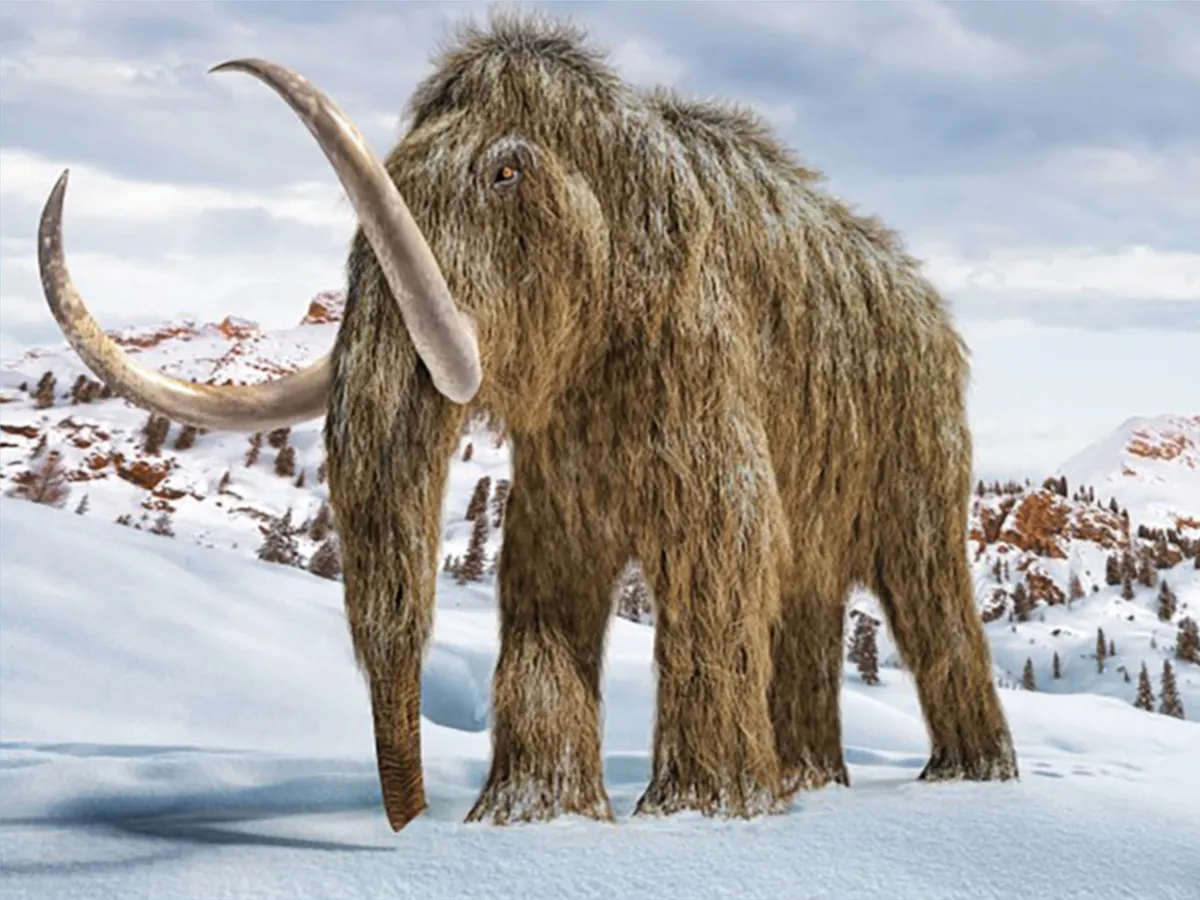
Herds of Woolly Mammoths once roamed this landscape.
The Cotswold Lakes is one of the most studied areas for archaeology in the UK. Remains from over 6,000 years of human habitation have been found; all the way from the early Stone Age to the current day.
Between 70,000 and 25,000 years ago, around the time of an Ice Age, small groups of humans lived by hunting Woolly Rhinoceros, Woolly Mammoth, bears and Fallow Deer. Ice Age remains of Woolly Mammoth have been found within the gravels, which lie just under the surface in many places. Teeth, parts of tusk and bones have been found and, in 2005, a complete skull was uncovered.
Beneath the gravels, in the Oxford Clays, there are masses of fossil remains of marine reptiles and various sea creatures such as ammonites and belemnites, which are often trapped in nodules of clay.